
Introduction
Sales operations have evolved rapidly, and by 2026, remote-first strategies are no longer optional. Businesses across the globe are rethinking how they generate leads, nurture prospects, and close deals efficiently. One solution leading this transformation is the virtual sales assistant.
A virtual sales assistant helps companies streamline sales processes, reduce operational costs, and maintain consistent engagement with potential customers. From startups and SaaS brands to real estate firms and travel companies, organizations now depend on virtual sales assistants as a core component of their revenue engine.
This guide explores what a virtual sales assistant is, how it works, the benefits it offers, pricing expectations in 2026, essential tools, and how to hire and manage the right assistant for your business.
What Is a Virtual Sales Assistant?
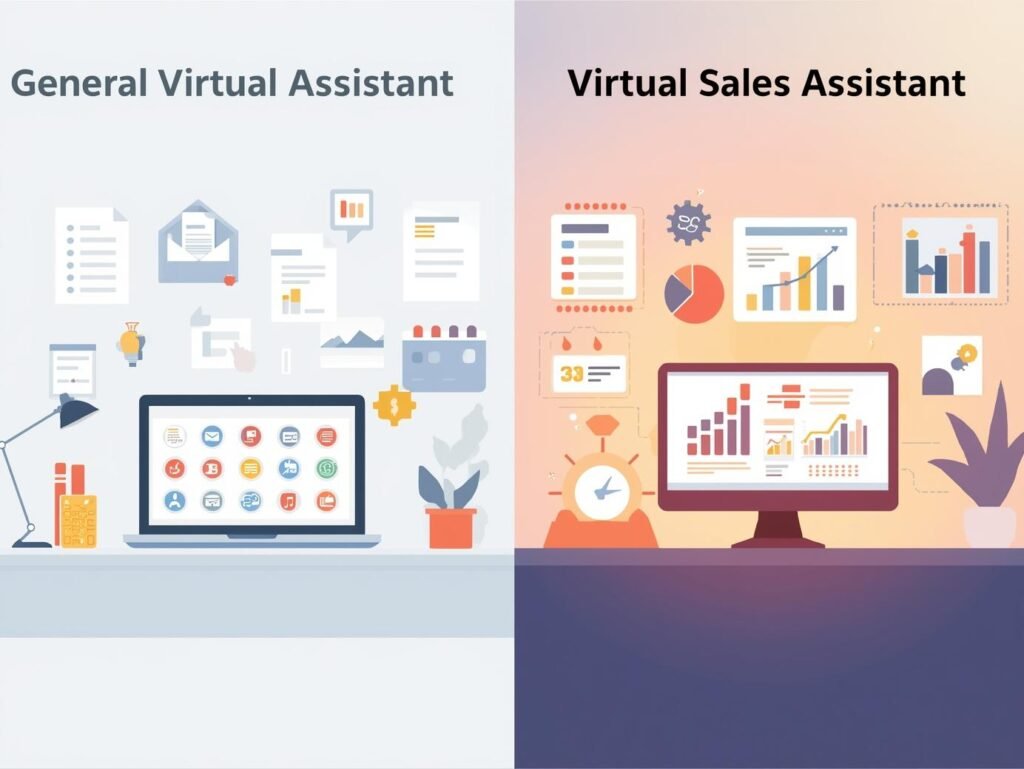
A virtual sales assistant is a remote professional or AI-based system that supports sales teams by managing non-closing sales activities. These assistants focus on tasks that keep the sales pipeline active and organized, allowing sales representatives to concentrate on conversations that drive revenue.
Unlike traditional in-house sales staff, a virtual sales assistant works remotely and integrates with your CRM, outreach tools, and scheduling platforms. Their role is not to replace salespeople but to increase efficiency across the entire sales cycle.
In 2026, businesses commonly use human assistants, AI-driven systems, or a hybrid approach combining both.
Types of Virtual Sales Assistants in 2026
Human Virtual Sales Assistant
A human virtual sales assistant is a trained remote professional who performs sales support tasks that require personalization and decision-making. These assistants are ideal for relationship-based selling and B2B environments.
Typical responsibilities include:
- Researching and qualifying leads
- Sending personalized outreach emails
- Managing CRM records
- Scheduling calls and demos
- Following up with prospects
AI-Based Virtual Sales Assistant
An AI-powered virtual sales assistant uses automation and machine learning to handle high-volume sales tasks. These tools operate around the clock and are designed for speed and scale.
Common AI-driven functions include:
- Automated follow-up emails
- Lead scoring and prioritization
- Website chat support
- CRM updates and analytics
AI assistants are particularly effective for inbound lead handling and early-stage prospect engagement.
Hybrid Virtual Sales Assistant Model
The hybrid model combines AI efficiency with human communication skills. AI manages repetitive processes, while human assistants focus on personalization and complex interactions.
This approach is widely considered the most effective virtual sales assistant strategy in 2026.
Core Tasks Handled by a Virtual Sales Assistant
A virtual sales assistant can support nearly every stage of the sales process, including:
- Lead generation and data enrichment
- CRM management and pipeline updates
- Email and LinkedIn outreach
- Appointment booking and calendar coordination
- Follow-up messages and reminders
- Sales performance reporting
- Client onboarding assistance
By offloading these tasks, businesses can significantly increase sales productivity.
Key Benefits of Using a Virtual Sales Assistant
Lower Operational Costs
Hiring a virtual sales assistant is far more cost-effective than employing full-time in-house staff. Businesses save on office space, hardware, benefits, and long-term contracts.
Improved Sales Efficiency
Sales teams spend less time on administrative work and more time closing deals. This directly impacts revenue growth.
Flexible Scaling
A virtual sales assistant allows businesses to scale sales operations quickly without lengthy hiring processes.
Faster Lead Engagement
Speed is critical in modern sales. Virtual sales assistants ensure prospects are contacted promptly, improving conversion rates.
Global Talent Access
Companies can hire skilled virtual sales assistants from different regions, gaining language skills and market-specific knowledge.
Tools Used by Virtual Sales Assistants
In 2026, a virtual sales assistant typically works with the following tools:
CRM Systems
- HubSpot
- Salesforce
- Zoho CRM
Outreach & Automation Platforms
- Instantly
- Lemlist
- Apollo
Scheduling Software
- Calendly
- Chili Piper
AI & Analytics Tools
- ChatGPT
- HubSpot AI
- Salesforce Einstein
Strong integration between tools is essential for smooth sales operations.
Cost of Hiring a Virtual Sales Assistant in 2026
Pricing depends on the assistant model:
Human Virtual Sales Assistant
- Offshore: $6–$15 per hour
- Onshore: $20–$40 per hour
AI Virtual Sales Assistant Tools
- $50–$500 per month
Hybrid Virtual Sales Assistant Setup
- $500–$3,000 per month
Compared to traditional hiring, these options offer faster ROI and lower risk.
Industries That Benefit from Virtual Sales Assistants
A virtual sales assistant can add value in many industries, including:
- SaaS and software companies
- Real estate agencies
- Travel and tourism businesses
- E-commerce brands
- Healthcare service providers
- Digital marketing agencies
Any organization with repeatable sales workflows can benefit.
How to Hire the Right Virtual Sales Assistant
To choose the right virtual sales assistant, businesses should:
- Clearly outline tasks and goals
- Prioritize relevant sales experience
- Test communication skills
- Verify CRM and tool knowledge
- Ensure data protection standards
Proper onboarding and clear SOPs are essential for success.
Best Practices for Managing a Virtual Sales Assistant
To maximize results:
- Define KPIs and performance metrics
- Maintain regular reporting routines
- Provide scripts, templates, and playbooks
- Conduct ongoing feedback sessions
- Continuously optimize workflows
Clear communication drives long-term success.
The Future of Virtual Sales Assistants
The role of the virtual sales assistant will continue to expand beyond basic support tasks. Future advancements include:
- Predictive lead insights
- Personalized outreach powered by AI
- Real-time sales coaching
- Deeper CRM automation
Businesses that adopt virtual sales assistants early will stay ahead of competitors.
Conclusion
A virtual sales assistant is no longer a luxury—it is a strategic necessity in 2026. Whether human, AI-driven, or hybrid, virtual sales assistants help businesses reduce costs, increase efficiency, and generate consistent revenue growth.
Companies that integrate virtual sales assistants into their sales strategy will be better positioned for long-term success in an increasingly competitive market.